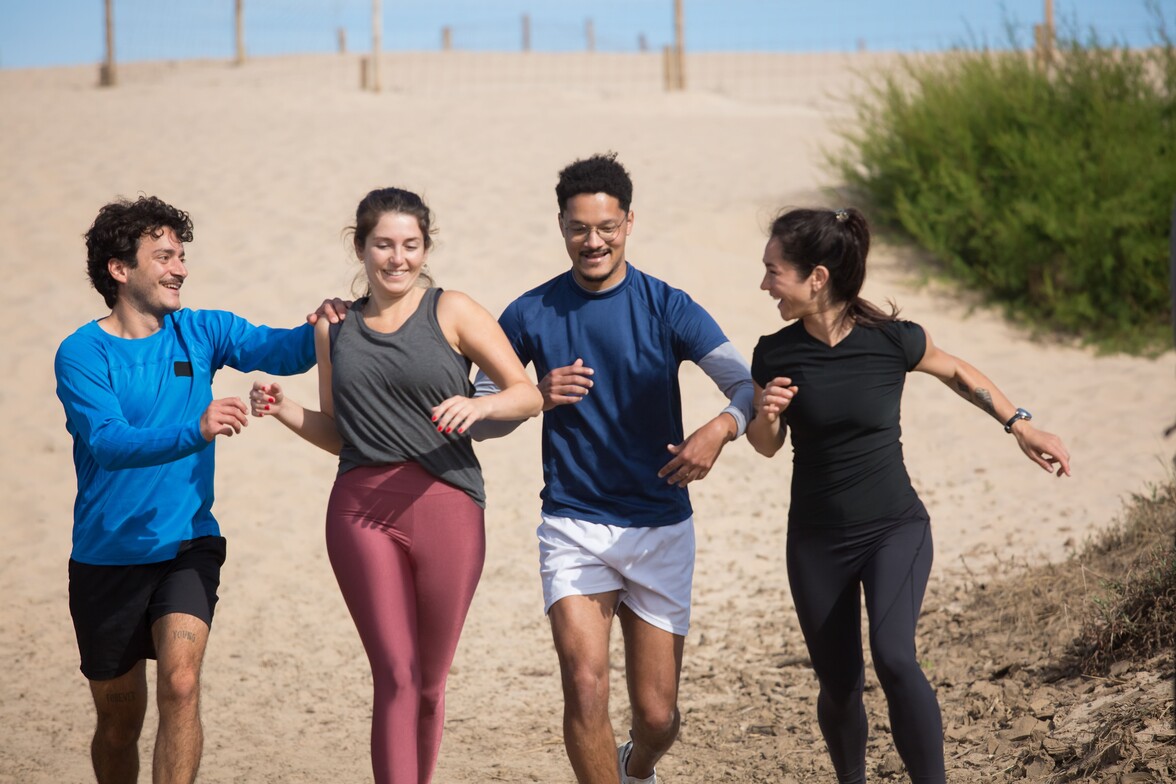
Sport injuries are not reserved for competitive athletes. They happen to golfers, runners, pickleball players, gym-goers, hockey players, soccer players, hikers, gardeners, and anyone who enjoys being active. Sometimes an injury happens suddenly. Other times, it builds gradually until something that used to feel easy becomes painful or frustrating.
At Spring Physiotherapy in Dartmouth, Nova Scotia, we help active people recover from sport injuries and return to the activities that matter to them. Whether your goal is to get back on the court, return to the gym, walk without pain, or simply feel confident moving again, physiotherapy can help guide the process.
Why sport injuries need more than rest
After a sport injury, it is common to think, “I’ll just give it time.” Rest can be useful in the early stages, especially if pain is high or the area is irritated. But rest alone rarely solves the full problem.
A sprained ankle may feel better after a few weeks, but balance and strength can remain reduced. A shoulder strain may settle, but the movement pattern that caused the irritation may still be there. A knee or hip injury may improve enough for daily life, but not enough for hills, sport, or faster movements.
That is why physiotherapy for sport injury recovery looks beyond pain. We assess how the body is moving, what tissues need support, what activities are aggravating symptoms, and what steps are needed before returning fully.
Common sport injuries we see in active adults
Spring Physiotherapy supports people recovering from many types of sport and activity-related injuries, including:
- Ankle sprains
- Knee pain from running, pickleball, hiking, or stairs
- Hip and glute injuries
- Low back pain after golf, lifting, or yard work
- Shoulder pain from swimming, racquet sports, or gym exercises
- Elbow pain from golf, tennis, pickleball, or repetitive gripping
- Muscle strains and tendon irritations
Sometimes the injury is obvious. Sometimes the person simply says, “I don’t know what happened — I just can’t do what I used to do.”
Both are valid reasons to seek physiotherapy.
What happens in physiotherapy after a sport injury?
Your physiotherapy assessment starts with your story. What happened? What do you want to get back to? What movements are painful? What feels weak, stiff, unstable, or limited?
From there, your physiotherapist will look at mobility, strength, balance, control, and activity tolerance. The goal is to identify the gap between where you are now and where you want to be.
Your recovery plan may include:
- Hands-on treatment when appropriate
- Specific strengthening exercises
- Mobility and flexibility work
- Balance, agility, or coordination training
- Sport-specific progressions
- Education about pain, healing, load management, and flare-ups
- A return-to-activity plan that builds confidence step by step
A good return-to-sport plan is not about rushing. It is also not about waiting forever. It is about giving the body the right amount of challenge at the right time.
Physiotherapy for active living in Dartmouth
Dartmouth is full of people who want to stay active — on the trails, in the gym, on the water, on the golf course, and in community sport. At Spring Physiotherapy, we understand that movement is not just about fitness. It is about independence, identity, stress relief, community, and quality of life.
As our clinic prepares to move to Baker Drive, we are looking forward to continuing to support active adults across Dartmouth, Cole Harbour, and the surrounding communities. Our approach to sport injury recovery is practical, personalized, and focused on helping you return to the activities that make you feel like yourself.
You do not need to be an elite athlete to deserve excellent care. If an injury is stopping you from moving well, participating fully, or trusting your body, physiotherapy can help.
Spring Physiotherapy in Dartmouth provides sport injury recovery support for active people who want to move better, recover well, and get back to doing what they love.