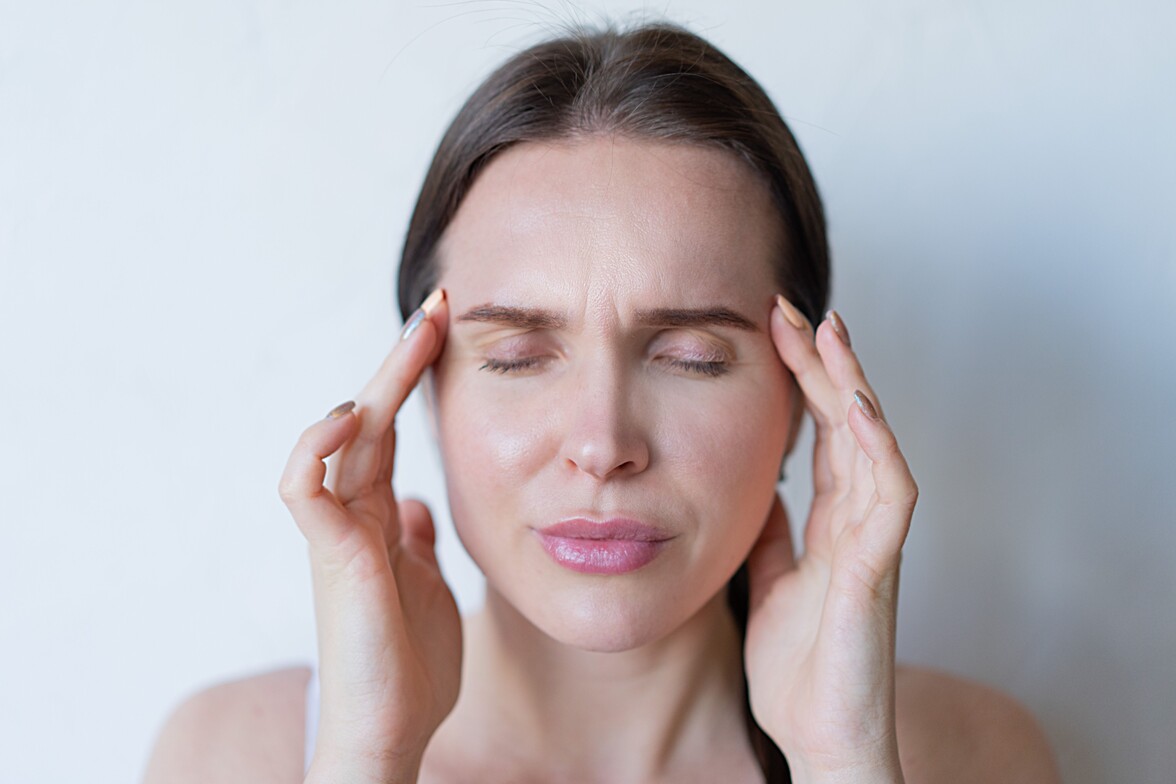
If headaches keep interrupting your workday, exercise, sleep or time with family, it may be worth looking beyond the head itself. Some headaches are influenced by the joints, muscles and nerves of the neck.
At Spring Physiotherapy on Baker Drive in Dartmouth, our chiropractor can assess whether neck stiffness, muscle tension or altered movement may be contributing to your headaches—and help determine whether chiropractic care is an appropriate place to start.
When Can Headaches Come From the Neck?
A cervicogenic headache is a headache that is referred from structures in the neck. The pain may be felt at the base of the skull, behind an eye, across the forehead or predominantly on one side of the head.
Something many people don't realize is that neck-related headaches don't always come with significant neck pain.
Clues that your neck may be contributing include:
- Headaches beginning around the upper neck or base of the skull
- Symptoms that are consistently worse on one side
- Headaches aggravated by certain neck movements or positions
- Difficulty comfortably turning your head
- Headaches following long periods at a computer or driving
- Stiffness or tenderness around the upper neck
There's an interesting reason neck problems can be felt as headaches. Sensory information coming from the upper neck and the head shares processing pathways within the nervous system. As a result, irritation from structures in the neck can sometimes be experienced as pain in the head rather than only in the neck.
What Does a Chiropractor Look For?
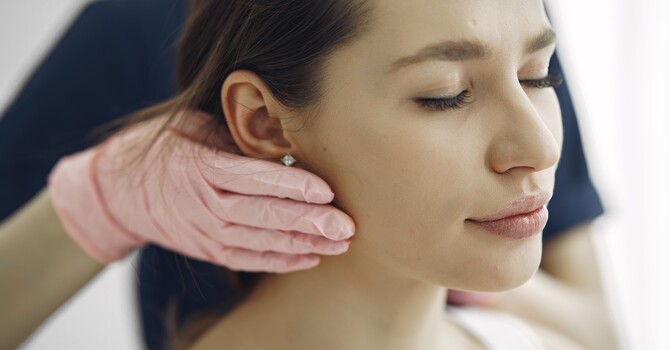
A chiropractic assessment for headaches involves more than simply looking for a tight muscle.
Your chiropractor may assess neck and upper-back mobility, muscle strength and endurance, shoulder-blade function and the movements or positions that reproduce or ease your headache.
Your assessment also helps determine whether your headache appears to have a musculoskeletal component—or whether medical follow-up would be more appropriate.
Treatment may include:
- Gentle joint mobilization or manipulation when appropriate
- Soft-tissue techniques
- Neck and upper-back mobility exercises
- Strengthening for the neck and shoulder region
- Advice for computer work, driving and prolonged positions
- Acupuncture or other needling techniques when appropriate
- Strategies to help reduce future flare-ups
Research on cervicogenic headache suggests that manual therapy may provide short-term improvement in headache symptoms for some people, while exercise and a broader active treatment approach may also be useful. Treatment should be individualized rather than applying the same technique to every headache.
Not Every Headache Is a Neck Headache
Migraine and many other conditions can also cause headaches. A sudden severe headache unlike anything you've experienced before, new neurological symptoms, fever, significant trauma or other concerning changes should be medically assessed promptly.
Chiropractic Care for Headaches on Baker Drive
If you live or work in the Baker Drive area of Dartmouth and your headaches seem to occur alongside neck stiffness, muscle tension or restricted movement, it may be worth having your neck assessed.
Spring Physiotherapy offers chiropractic care at 133 Baker Drive in Dartmouth, alongside physiotherapy and massage therapy.
Looking for a chiropractor in Dartmouth for headaches and neck pain? Book a chiropractic assessment at Spring Physiotherapy on Baker Drive and find out whether your neck may be part of the problem.
Still not sure what options to consider? Click below to download the simple 5 question quiz that might help you decide if acupuncture may be a good "next step" towards achieving headache relief.