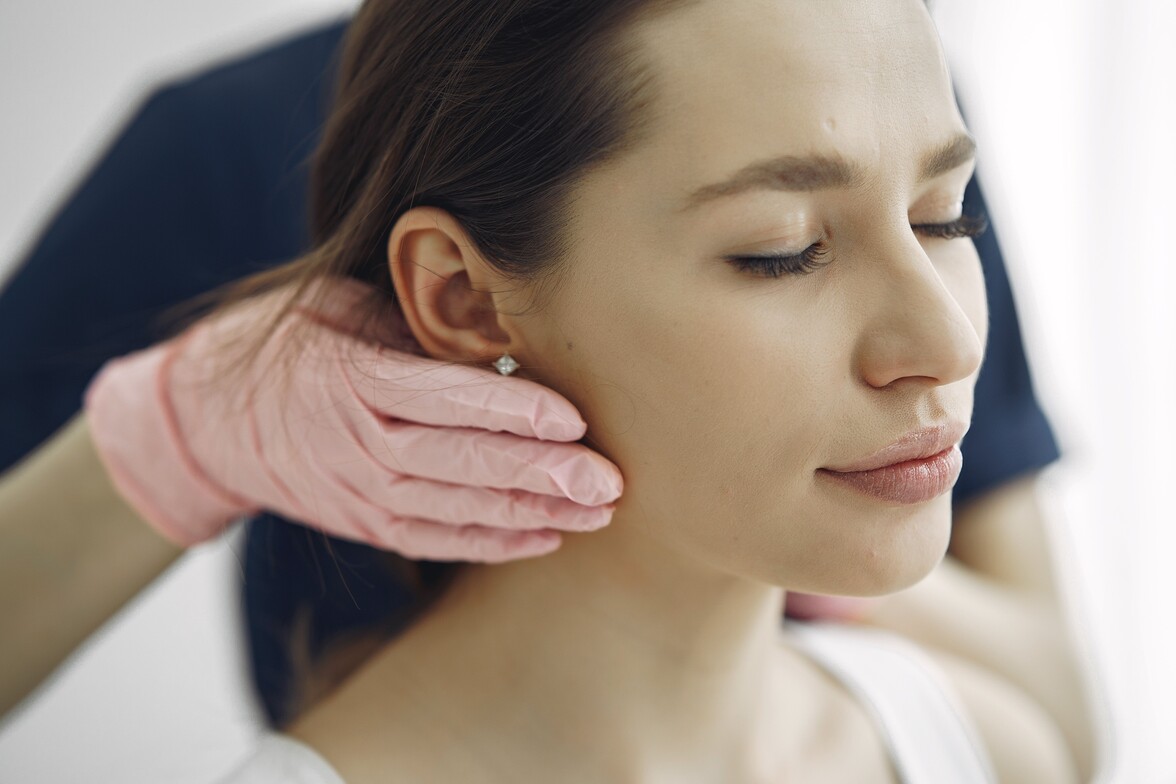
Jaw pain can be surprisingly disruptive.
Eating, talking, yawning—or even getting through a stressful workday—can become uncomfortable when the jaw isn’t moving or functioning well. If you experience jaw pain, facial tension, painful clicking, stiffness, headaches or difficulty opening your mouth, the temporomandibular joint (TMJ) may be part of the problem. At Spring Physiotherapy, 133 Baker Drive in Dartmouth, chiropractor Dr. Claire Ferguson provides assessment and conservative treatment for people experiencing TMJ-related pain and dysfunction.
What is TMJ dysfunction?
The temporomandibular joints are located just in front of your ears and connect your lower jaw to your skull. “TMJ” refers to the joint itself, while temporomandibular disorders (TMD) describe a group of conditions affecting the jaw joints, chewing muscles and surrounding tissues.
Symptoms can include:
• Pain or aching around the jaw, cheek or temple
• Jaw stiffness or limited opening
• Painful clicking or popping
• Discomfort with chewing
• Headaches associated with jaw tension
• Neck and upper-back tension
• A feeling that the jaw isn't moving smoothly
Interestingly, painless clicking or popping alone is very common and does not necessarily require treatment.
Why look beyond the jaw?
The jaw doesn't work in isolation. The muscles of the jaw, neck and upper back all contribute to how the head and jaw are positioned and controlled.
For this reason, Dr. Claire's TMJ assessment may include the jaw itself as well as the cervical spine, upper back, posture and surrounding muscles. Treatment is then matched to what appears relevant for that individual rather than using the same approach for everyone.
What can TMJ treatment involve?
Soft tissue therapy: Treatment may include external techniques for the muscles around the jaw and face as well as intraoral soft tissue release when appropriate. The neck and upper-back muscles may also be addressed when they are contributing to symptoms.
Joint mobilization: Gentle TMJ mobilizations may be used to help improve comfortable jaw movement. Depending on the assessment, cervical or thoracic spine mobilization or manipulation may also be considered.
Exercises and motor-control retraining: Hands-on care is only part of the plan. Dr. Claire may prescribe exercises designed to improve jaw movement, postural endurance and control of the muscles involved in opening and closing the mouth.
Education and everyday strategies: Habits matter. Frequent jaw clenching, gum chewing, nail biting and other repeated loading can aggravate some TMJ problems. Conservative approaches, exercise and self-management are commonly recommended before more invasive treatments are considered.
Can manual therapy help TMJ pain?
Evidence suggests that manual therapy can be helpful for some people with TMD, particularly as part of a broader conservative treatment approach that includes exercise and self-management.
The key is determining why your jaw hurts and which areas actually need treatment.
If jaw pain, facial tension or painful clicking is getting in the way of eating, talking, sleeping or everyday life, an assessment can be a useful place to start.
Looking for TMJ treatment or a chiropractor for jaw pain in Dartmouth?
Dr. Claire Ferguson provides chiropractic care for TMJ-related concerns at Spring Physiotherapy, 133 Baker Drive, Dartmouth, NS.
Book an assessment with Dr. Claire to find out whether a conservative TMJ treatment approach may be appropriate for you.